
Disclosure: This post contains affiliate links. We may earn a commission at no extra cost to you.
If you’re wondering about the difference between a yoga mat and a gym mat for home use, you’re not alone — it’s one of the most common questions when setting up a home workout space. The short answer: yoga mats and gym mats are built for different purposes, and using the wrong one can affect your performance and comfort. This guide explains exactly what sets them apart, which activities each is suited for, and recommends the best options in both categories for 2026 — so you can decide whether you need one mat or two.
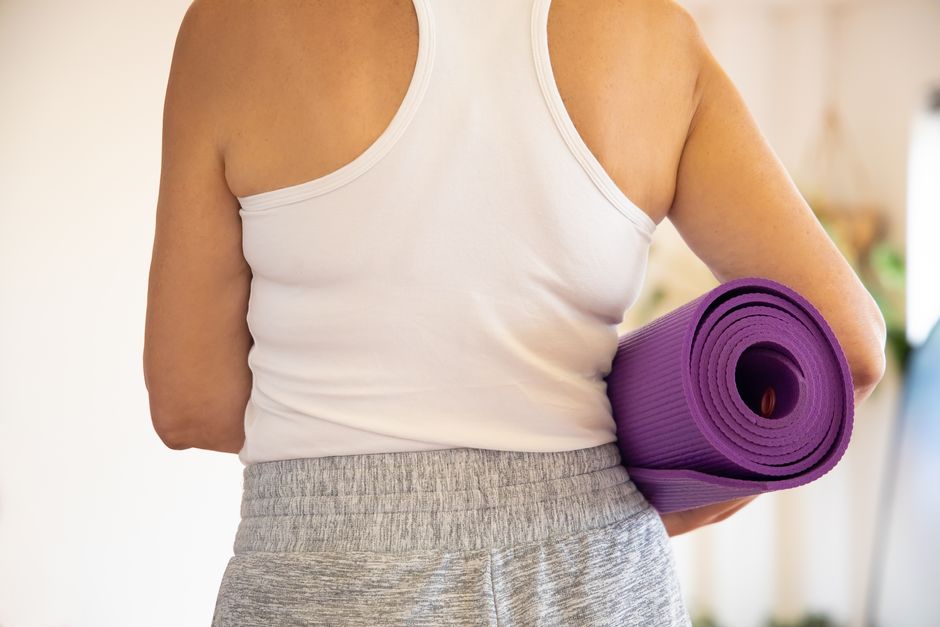
Whether you’re building a dedicated yoga space or a versatile home gym setup, choosing the right mat makes a real difference in grip, comfort, and durability. We’ve broken down the key differences and reviewed the top yoga mats and gym mats side by side.
Yoga Mat vs Gym Mat — Key Differences at a Glance
| Feature | Yoga Mat | Gym Mat |
|---|---|---|
| Thickness | 3–6mm | 10–40mm |
| Surface grip | High grip, textured | Moderate grip, smooth or textured |
| Size | ~68×24 inches | Larger, often interlocking tiles |
| Best for | Yoga, Pilates, stretching | HIIT, weights, jumping, floor exercises |
| Impact absorption | Low — not for jumping | High — handles burpees, jumps |
| Price range | $22–$120 | $25–$99 |
| Storage | Rolls up compactly | Folds or interlocks — takes more space |
Do You Need One Mat or Two?
One mat is enough if you:
- Primarily do yoga, Pilates, or stretching
- Occasionally add bodyweight exercises like push-ups and planks
- Have limited storage space and want to keep it simple
- Work out on carpet — yoga mats provide sufficient grip and cushion
You need both if you:
- Do HIIT, jumping exercises, or plyometrics — yoga mats compress too thin under repeated impact
- Use heavy weights on the floor — dropping weights on a yoga mat damages it quickly
- Train on hard floors and need serious joint protection for high-rep floor exercises
- Want a permanent gym floor setup with removable yoga space on top
Best Yoga Mats for Home Use — Reviewed in 2026
1. Gaiam Essentials Thick Yoga Mat — Best Budget Yoga Mat
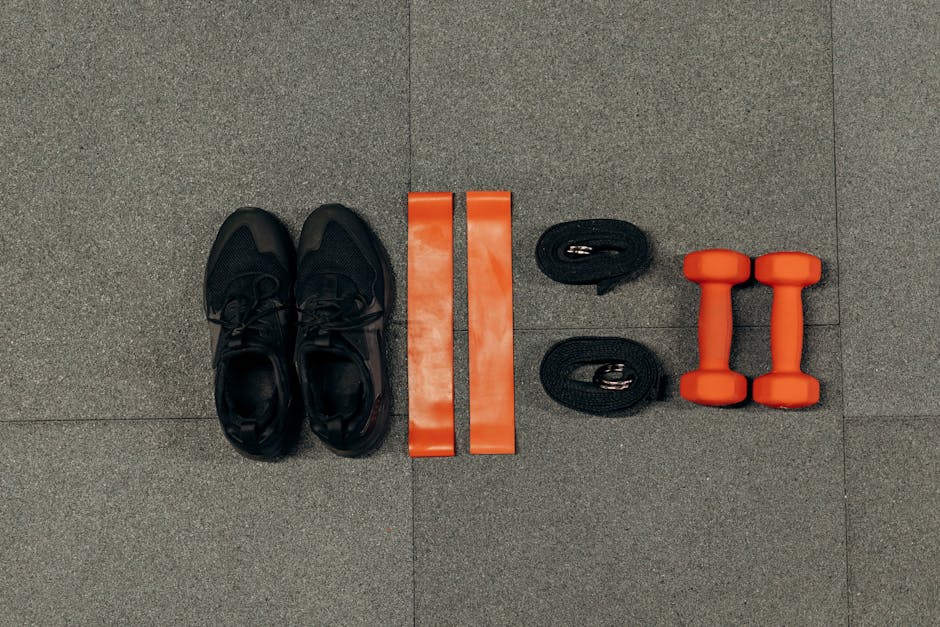
The Gaiam Essentials Thick Yoga Mat at $22 is the best entry-level yoga mat for home use — 10mm thick, non-slip textured surface, and includes a carrying strap. At this price it’s genuinely hard to beat for beginners or anyone who wants a dedicated yoga mat without spending $80+. The extra thickness (most yoga mats are 6mm) provides noticeably more joint cushioning for knees and wrists during floor poses. However, the thicker foam compresses more than premium mats, which can affect balance in standing poses. For home yoga practice focused on flexibility, stretching, and beginner flows, the Gaiam Essentials delivers everything you need at a fraction of the cost of premium options.
Pros:
- Best price at $22 — includes carrying strap
- 10mm thick for superior joint cushioning
- Non-slip texture on both sides
- 30,000+ reviews with consistent ratings
Cons:
- Compresses more than premium mats under body weight
- Less durable than natural rubber options
2. Lululemon The Reversible Mat — Best Premium Yoga Mat
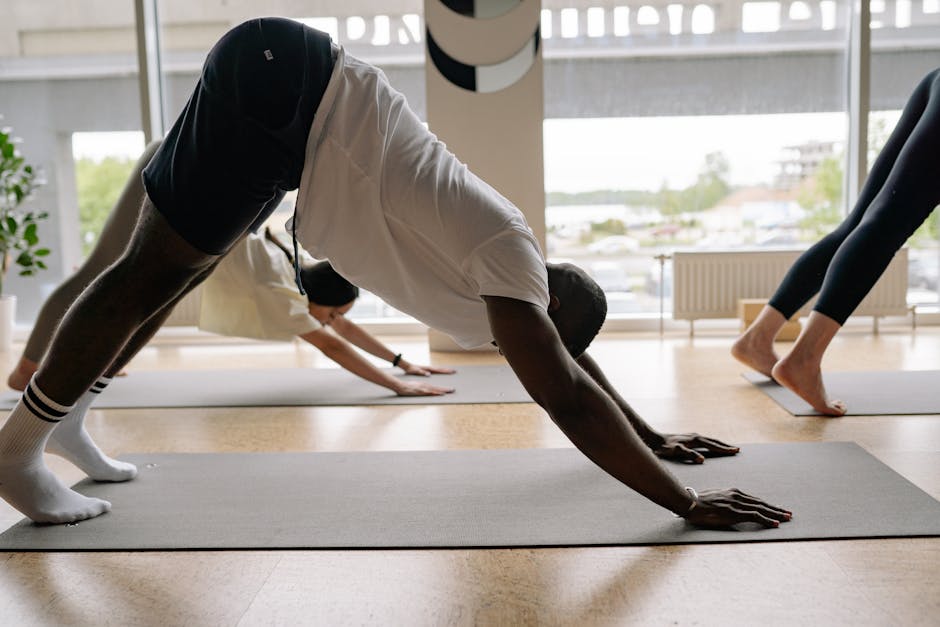
The Lululemon Reversible Mat at $88 is the best yoga mat for serious home practitioners who want performance you can feel the difference in. The polyurethane top layer grips exceptionally well even when wet — a meaningful advantage during hot yoga or intense flow sessions. Flip it over and the natural rubber base grips the floor firmly without sliding. At 5mm it’s thinner than budget mats, which actually improves proprioception and balance during standing poses. The antimicrobial additive handles daily use hygiene better than untreated mats. Furthermore, Lululemon’s quality control is noticeably consistent — no bubbling, peeling, or grip degradation that cheaper mats show within months. For daily practitioners, the $88 price works out to pennies per session over years of use.
Pros:
- Dual-texture reversible design
- Superior wet grip — ideal for hot yoga
- Antimicrobial treatment for daily use
- Consistent quality with no degradation over time
Cons:
- Higher price at $88
- Thinner than budget mats — less cushion for sensitive joints
3. Manduka PRO Yoga Mat — Best Lifetime Yoga Mat
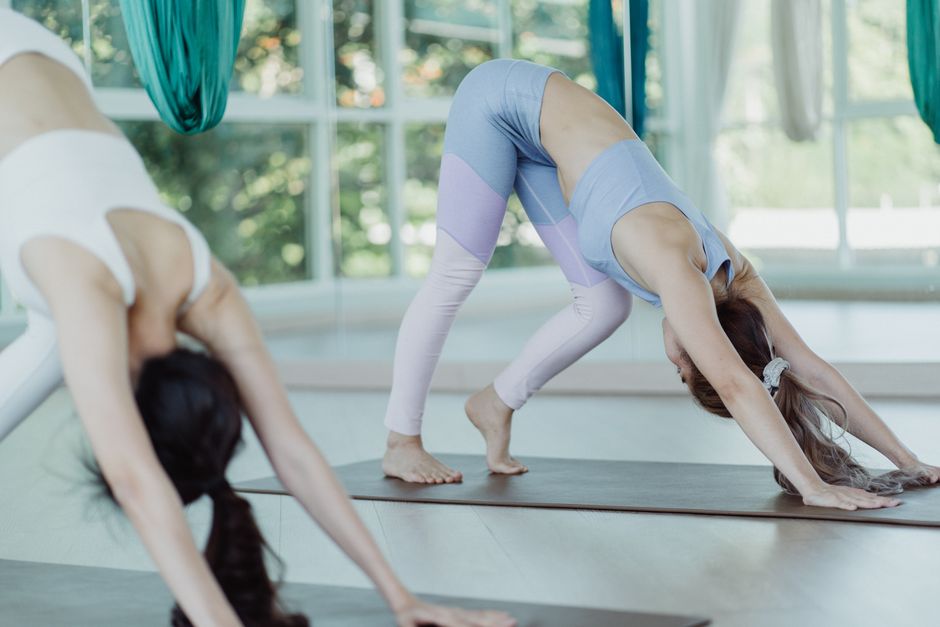
The Manduka PRO at $120 is the only yoga mat on this list with a lifetime guarantee — and it’s earned it. Professional yoga instructors teaching 20+ classes a week use this mat because it simply doesn’t wear out. The closed-cell surface prevents sweat and bacteria from penetrating the foam, which means it stays cleaner and more hygienic than open-cell alternatives over months of daily use. The 6mm dense PVC construction maintains its shape under body weight without the spongy compression of cheaper foam. Additionally, the eco-certified manufacturing process appeals to environmentally conscious practitioners. The main caveat is weight — at 7.5 lbs it’s heavier than most mats, which matters if you carry it to classes. For home use that weight is irrelevant, making the PRO the best long-term investment in this category.
Pros:
- Lifetime guarantee — the only mat you’ll ever buy
- Closed-cell surface stays cleaner than open-cell mats
- Dense 6mm foam maintains shape under body weight
- Eco-certified materials
Cons:
- Heaviest mat on this list at 7.5 lbs
- Highest price at $120
- Requires break-in period for optimal grip
Best Gym Mats for Home Use — Reviewed in 2026
4. BalanceFrom Puzzle Exercise Mat — Best Budget Gym Mat

The BalanceFrom Puzzle Exercise Mat at $25 is the best budget gym mat for home workouts — interlocking foam tiles that cover more floor area than any yoga mat at a fraction of the cost. Each tile is 3/8 inch thick high-density EVA foam that handles burpees, jumping jacks, push-ups, and bodyweight circuits without bottoming out. The puzzle design means you can cover exactly as much floor as you need and store the unused tiles. With 20,000+ reviews it’s one of the most proven home gym floor solutions available. The main limitation versus rubber mats is durability under very heavy equipment — for bodyweight and light weights it’s excellent, but heavy dumbbells or kettlebell swings will eventually dent the foam. For most beginner home gym setups, it’s the most practical starting point.
Pros:
- Covers large floor areas at $25
- Interlocking design — customize coverage area
- High-density foam handles impact exercises
- Easy to clean and store
Cons:
- Foam dents under very heavy equipment
- Tiles can separate during intense lateral movements
5. SuperMats Heavy Duty Equipment Mat — Best Gym Mat for Equipment
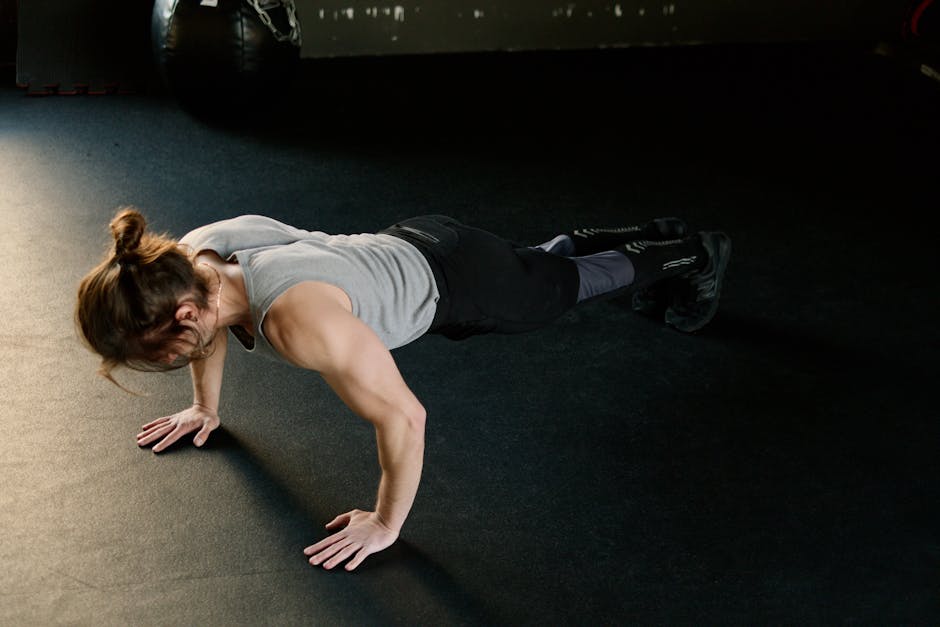
The SuperMats Heavy Duty Mat at $55 is the right choice when you need floor protection under exercise equipment — treadmills, exercise bikes, rowing machines, or heavy dumbbell areas. The dense rubber construction doesn’t compress under machine weight, protects hardwood and tile floors from scratches, and significantly reduces vibration transmission to floors below. Unlike foam puzzle tiles, the SuperMat holds its shape indefinitely under static loads. It also works as a general exercise surface for floor workouts, with a non-slip bottom that stays firmly in place during lateral movements. Available in multiple sizes to match common equipment footprints, it’s the most practical solution for apartment gym users who need both floor protection and a stable exercise surface in one mat.
Pros:
- Doesn’t compress under heavy equipment weight
- Protects hardwood and tile floors from damage
- Reduces vibration — essential for apartment use
- Non-slip bottom stays in place during workouts
Cons:
- Less grip texture than yoga mats for floor poses
- Heavier and less portable than foam options
How to Choose Between a Yoga Mat and Gym Mat
Match the Mat to Your Primary Activity
The single most important factor is what you actually do most. If 80% of your workouts are yoga, Pilates, or stretching, a quality yoga mat covers all your needs and a gym mat is unnecessary. If your primary activities are HIIT, weight training, or high-impact cardio, a gym mat or rubber flooring serves you better and a yoga mat is too thin to protect your joints during jumping movements. Only buy both if your routine genuinely splits between yoga and high-impact training.
Consider Your Floor Type
Hardwood and tile floors benefit most from thicker gym mats that provide cushioning and protect the surface underneath. Carpet already provides some cushioning, so a thinner yoga mat may be sufficient for most activities on carpet. Concrete floors in garages or basements are the hardest surface and benefit from the thickest gym mats available — standard yoga mats on concrete provide minimal joint protection for high-rep exercises.
Thickness Guide by Activity
For yoga and stretching: 4-6mm is ideal — thick enough for comfort, thin enough for ground connection. For general floor exercises (push-ups, planks, ab work): 6-10mm provides good cushioning without instability. For HIIT and jumping: 15mm+ absorbs impact properly and protects knees and ankles over time. For heavy equipment placement: choose rubber mats rated for the weight of your specific equipment rather than foam alternatives.
Frequently Asked Questions About Yoga Mat vs Gym Mat
What is the main difference between a yoga mat and a gym mat?
Yoga mats are thin (3-6mm), grippy, and designed for static poses and controlled movement — they prioritize surface traction over cushioning. Gym mats are thicker (10-40mm), designed for impact absorption during jumping, HIIT, and floor exercises. Using a yoga mat for high-impact workouts compresses it too thin to protect joints, while using a thick gym mat for yoga reduces the ground connection needed for balance poses.
Can I use a yoga mat for HIIT workouts at home?
For low-impact HIIT movements like mountain climbers, planks, and push-ups, yes — a quality 6mm yoga mat works adequately. For jumping movements like burpees, jump squats, and plyometrics, a yoga mat is too thin to properly absorb the impact force through your ankles and knees over repeated sessions. A foam puzzle mat or rubber gym mat is a better choice for jump-heavy workouts.
Is a $22 yoga mat good enough or should I spend more?
The Gaiam Essentials at $22 is genuinely good enough for beginner and intermediate home yoga practice. The meaningful upgrade happens at the $88 Lululemon level — better grip when sweating, longer durability, and better feel underfoot. The $120 Manduka PRO is only worth it if you practice daily and want a mat that lasts a decade. For occasional yoga alongside other workouts, the $22 option is a smart choice.
Do I need a gym mat if I already have rubber flooring?
No — if your home gym has rubber flooring already installed, you have better floor coverage than any portable mat provides. In that case, a yoga mat is the only additional purchase worth considering, purely for yoga and stretching sessions where you want a cleaner, grippier surface than bare rubber. Rubber flooring plus a yoga mat is the ideal combination for a complete home gym floor setup.
How do I clean a yoga mat vs a gym mat?
Yoga mats — especially natural rubber and open-cell foam — should be cleaned with a diluted mild soap solution and air-dried flat, never in direct sun which degrades rubber. Manduka’s closed-cell surface is the easiest to clean and most resistant to bacteria. Gym mats and foam tiles can handle standard all-purpose cleaning sprays and wipe down easily. Rubber gym mats are the most durable and easiest to clean — they handle most household cleaners without damage.
Final Verdict: Yoga Mat vs Gym Mat for Home Use in 2026
For most home gym users, start with the Gaiam Essentials Thick Yoga Mat at $22 — it covers yoga, stretching, and light floor exercises at minimal cost. If you do HIIT or jump training regularly, add the BalanceFrom Puzzle Mat at $25 for impact protection — both together cost less than $50 and cover every floor workout you’ll do. Serious yoga practitioners who train daily should invest in the Lululemon Reversible Mat or Manduka PRO for the grip and durability that justifies the premium price. Whatever combination you choose, having the right mat for your specific activities makes every workout more comfortable and protects your joints over the long term — a small investment with outsized returns for your home gym setup.